
How to set up call management for trade fair stand sales

Fonify
Aug 12, 2026 · 5 min read
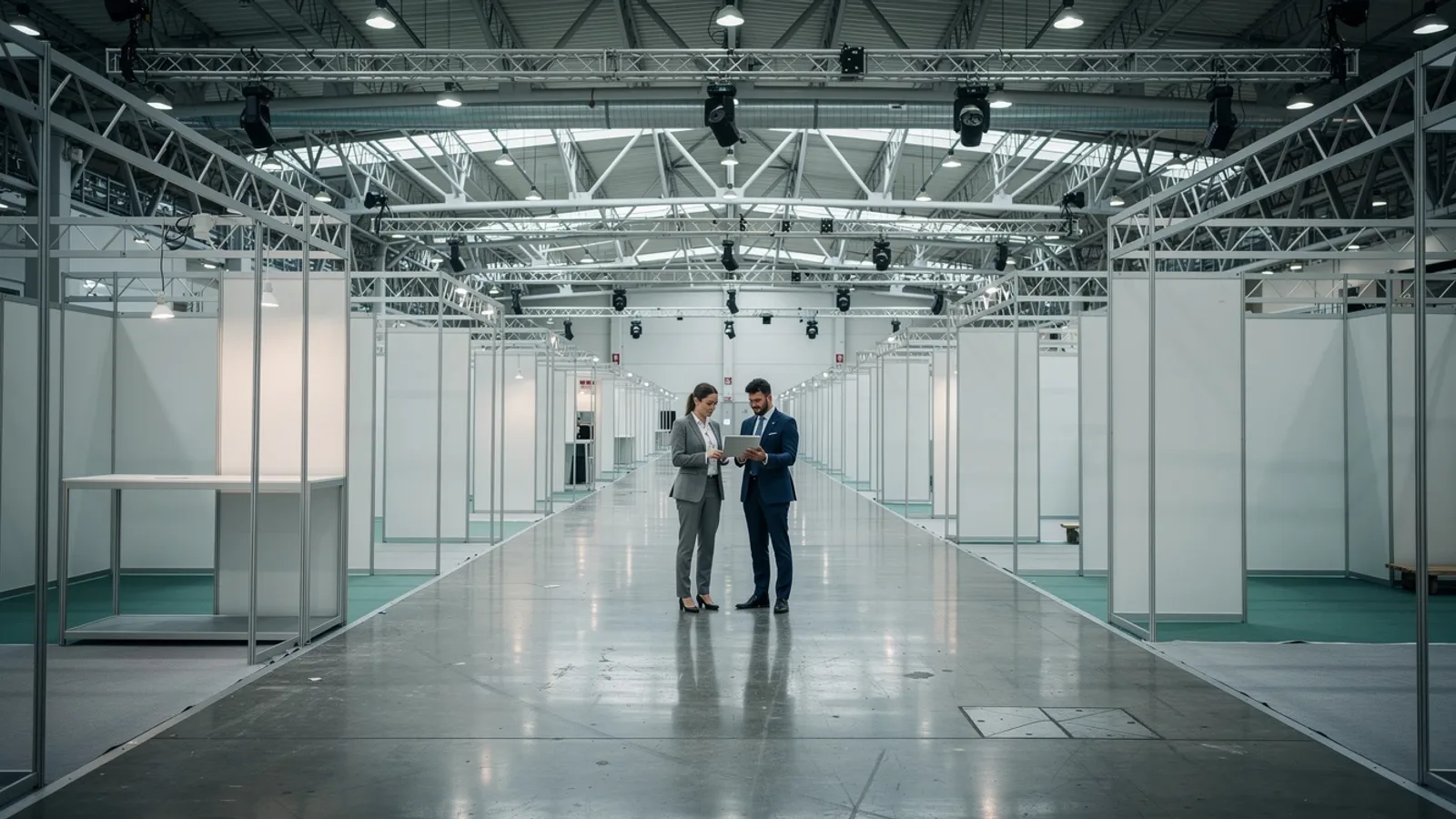
Why the phone is a sales channel for a fair organiser
In trade fair organisation, revenue comes largely from the square metres sold, and a stand request usually starts on the phone. The exhibiting company calls first, asks which hall suits its sector and what the price tier is, then requests a quote. That makes the fair call line the first step of the sales funnel, not an information desk.
The problem is not whether the line exists, but its rhythm. The fair calendar compresses into a few weeks a year, and so does demand. On build-up and opening days call volume multiplies, and the sales team is on the floor exactly then. The result is familiar: the week that brings the highest purchase intent is the week the team can least attend to the phone.
Four different flows land on a fair line
These four need different skills, and mixing them damages both.
| Flow | Volume | Nature | Where it should go |
|---|---|---|---|
| Stand application | Medium | Sales | To the sales team after qualification |
| Visitor registration and accreditation | High | Standard | Fully automatic |
| Logistics and build-up questions | Very high in fair week | Repetitive | Automatic, exceptions to operations |
| Sponsorship and partnership | Low | High value | Straight to the relevant manager |
Letting visitor registration crowd out stand sales is the most common mistake. Registration calls are high volume and fill the line; stand requests are rare but valuable. Unless the two are separated, sales calls sit in the queue.
What to capture on the phone, and what not to
What can be collected by phone is clear: the company's sector, roughly how many square metres it wants, its budget range, whether it has exhibited before, and the decision maker's contact details. Those five fields are enough to leave the sales team a ready record.
What should not be settled on the phone is equally clear: exact position within the hall, the corner-stand premium, multi-event discounts and contract terms. These depend on the floor plan and on that year's occupancy, and a promise made early often has to be withdrawn.
Drawing that line up front is also what makes qualification automatable. When Fonify takes a stand request it uses the halls, square metre bands and price tiers you define, explains the tier matching the request, and transfers calls that move into negotiation to the sales team.
Fair week: absorbing the surge
Most questions on build-up and opening days repeat: build-up hours, the vehicle entrance gate, power and internet requests, loading rules. That layer is standard and can be handled automatically. What matters is that the automation recognises the exception and passes it to operations. We covered general call load management during the fair period separately in our trade show phone assistant article.
Simultaneity is decisive here. A five-line switchboard puts the sixth caller on hold; an AI employee has no simultaneous call limit, so a hundred callers are answered at once. In fair week that difference translates directly into missed calls.
International exhibitors: a separate flow
At an international fair, calls from abroad carry a different problem set: visa invitation letters, freight and customs, accommodation, accreditation. If those are not answered in the caller's language and in the right order, the application stalls.
Fonify detects the caller's language in the first sentence and continues in it, speaking more than fifty languages with a natural accent. On a visa invitation request it lists the required documents and passes the request to the accreditation team. For fairs targeting international exhibitors this alone produces a measurable difference in participation.
Off-season: renewals and sponsorship
If the fair calendar is only a few weeks a year, people ask what the line does the rest of the time. The answer sits on the sales side. The off-season is when you call last year's exhibitors with an early booking advantage, collect sponsorship requests together with their budget range, and keep feeding the exhibitor list. These are outbound calls, and they lock in square metres before fair week.
Because usage follows volume, cost falls when activity falls; no fixed staffing expense builds up. For seasonal businesses that is the real attraction of automation.
Setup order
If you are starting from scratch, work in this order:
- Write down the pricing and hall structure. Square metre bands, tiers, early booking discount. This is what the automation will explain.
- Fix the qualification fields. Sector, square metres, budget, past participation, decision maker. Ask for nothing more.
- Define the escalation rules. Which call goes to sales, which to operations, which to a manager.
- Extract the fair week FAQ. List the repeating questions from last year's call records.
- Write the international exhibitor flow separately. Visa, freight and accreditation steps need a different sequence.
- Prepare the off-season call list. Last year's exhibitors and the renewal timing.
Exhibitor and visitor data is processed under KVKK; which field is collected for which purpose, and for how long it is kept, should be defined from the start.
FAQ
- How far should phone qualification go in stand sales?
- Sector, requested square metres, budget range and whether the company has exhibited before can all be captured by phone. Hall layout, discounts and contract negotiation belong with the sales team, because they depend on that year's floor plan.
- How do you absorb the call surge during fair week?
- Call volume multiplies on build-up and opening days, and most of the questions repeat. Handling that repeating layer automatically frees the sales and operations teams for the calls that genuinely need a decision.
- Why should calls from international exhibitors be handled separately?
- Companies calling from abroad mostly ask about visa invitation letters, freight and customs. If those questions are not answered in their own language and in the right order, the application stalls and the exhibitor moves to another fair.
- What is the call line for outside the season?
- The off-season is when renewal and sponsorship calls happen. Calling last year's exhibitors with an early booking advantage locks in square metres before fair week arrives.
- Can visitor registration and stand sales run on the same line?
- Yes, but kept separate. Visitor registration is high volume and standard, while a stand request is a sales matter. If one line answers both and escalates only the sales-grade call, you keep both volume and quality.
Sources
Stay informed about the future of communication
New features, industry playbooks, and real call examples in your inbox a few times a month.
Related Posts
 Smart call management with a trade show phone assistantManage registration, booth, sponsorship, and visitor calls with AI. Fonify delivers a secure and scalable call experience.Jul 30, 2026
 How to reduce no-shows in a dental clinicA patient who does not turn up means an empty chair. A practical way to cut no-shows: a reminder rhythm, a real waiting list, and answering calls outside opening hours.Aug 12, 2026
 Make calls smarter with an AI appointment systemWith Fonify, an AI appointment system answers calls 24/7, connects to calendars, and automates confirmation and cancellation processes. A guide to selection, cost, and suitability.Aug 10, 2026