
How to reduce no-shows in a dental clinic

Fonify
Aug 12, 2026 · 6 min read
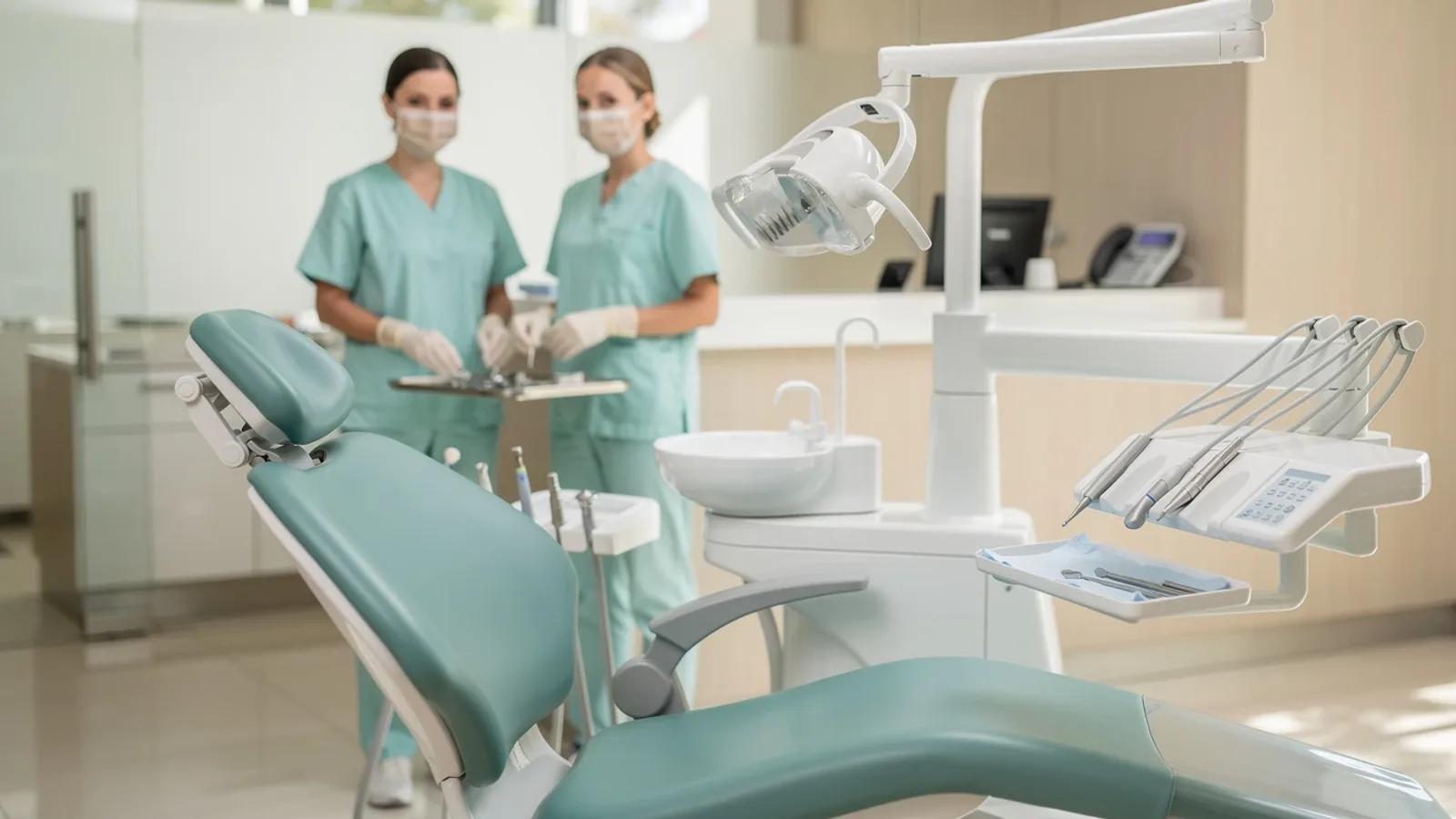
What is a no-show in a dental clinic, and why is it expensive?
A no-show is a patient who does not attend a booked appointment and does not tell you in advance. It is costly in a dental clinic because what is lost is not just an appointment, but the dentist's time, the chair and the assistant capacity reserved for that hour. A cancelled appointment can be resold; a patient who never arrives leaves the chair empty.
That is the whole difference. A cancellation is a manageable event: the moment it is reported, the slot can be offered to someone else. A no-show is only discovered after the appointment time has passed, and that capacity never comes back. So the goal is not "fewer cancellations" but earlier cancellations, and turning silent absences into reported ones.
Long sessions make this worse. A missed check-up costs twenty minutes; a two-hour block reserved for implant surgery or root canal treatment can rarely be resold on the same day. No-show cost therefore varies sharply by treatment type, and it should be measured that way.
Why do patients not turn up?
A handful of reasons recur in clinics, and each needs a different fix.
- Forgetting. Common with check-ups booked three weeks ahead. The fix is a reminder rhythm.
- Dental anxiety. The patient postpones and then never calls back. The fix is calling absent patients and offering a new date.
- Not getting through. The patient wants to cancel, but the line is busy or the clinic is closed. The fix is answering the call at any hour.
- The pain stopped. A patient who booked with acute pain does not come once it subsides. The fix is explaining, during the confirmation call, why treatment is still needed.
- Treatment left unfinished. The second root canal session is the single most-missed appointment. The fix is tracking session chains individually.
What these have in common: none of them is solved by sending more messages. Each needs a conversation.
Four steps that lower no-shows
1. Stop treating the reminder as a one-off message
Whether reminders work at all has been measured: Cochrane's review of mobile phone messaging reminders for healthcare appointments finds higher attendance among patients who received a reminder than among those who did not (risk ratio 1.14, 95% confidence interval 1.03 to 1.26, moderate quality evidence). The same review finds text and telephone reminders close in effect. So the gain comes less from the channel than from the reminder happening at all. A single SMS informs but gets no answer. The rhythm that works:
| Timing | Action | Purpose |
|---|---|---|
| ~1 week before | Confirmation call | Spot the patient who cannot come, buy time to release the slot |
| 1 day before | Reminder (call or message) | Prevent simple forgetting |
| After the appointment time | Call the patient who missed it | Reschedule instead of losing the appointment entirely |
The value of early confirmation is that it makes the cancellation sellable. A two-hour implant block released a week ahead can be filled; the same block released on the morning of the appointment usually stays empty.
2. Turn the waiting list into an actual list
In most clinics the waiting list lives in the receptionist's head. Keep it written and split by treatment type: check-up patients wanting an earlier date, patients waiting with acute pain, patients flexible enough for a long session. When a cancellation lands, call the group that matches the length of the gap. Calling a two-hour surgical patient for a twenty-minute opening wastes everyone's time.
3. Keep the line open outside opening hours
A large share of cancellations is born while the clinic is closed: the patient realises after work, or weekend plans change. If nobody answers at that moment, the cancellation is never reported and turns directly into a no-show. Answering the call makes those cancellations recoverable. We covered the sector-specific side of after-hours call handling in our guide to an AI appointment assistant for dental clinics.
4. Track session chains separately
In multi-session treatments, the second and third appointments are missed at a higher rate than the first. Keep a separate follow-up list for root canal treatment, implant restorations and orthodontic check-ups, and call absent patients with a reminder that the treatment is unfinished. These calls matter to both sides, since abandoned treatment often turns into a more expensive intervention later.
Can reception run this loop?
Partly. The problem is not skill but simultaneity. Confirmation calls, scanning the waiting list after a cancellation and calling back absent patients all fall in the hours when reception is already busiest. If the phone rings while someone is being cared for at the chair, somebody waits.
This is where Fonify comes in. The AI employee makes confirmation and reminder calls against the clinic calendar, offers an alternative time in the same conversation when a patient cannot come, opens the released slot to the waiting list, and answers cancellation calls outside opening hours. Because it reserves different block lengths per treatment type, it never treats a check-up and implant surgery the same way.
Patient records and treatment notes stay in your practice management software; only the fields needed for scheduling are processed, and access is limited to authorised users.
You cannot improve what you do not measure
Establish a two-month baseline first, then track these three metrics separately:
- No-show rate. Missed appointments divided by total appointments, broken down by treatment type.
- Share of early cancellations. The proportion of cancellations reported more than 24 hours ahead. As this rises, no-shows fall.
- Refill rate for released slots. What percentage of cancelled appointments were resold the same day.
The third is the most commonly skipped and the most revealing: even if your no-show rate holds steady, filling released slots means the clinic is losing less capacity.
FAQ
- What no-show rate is considered normal in a dental clinic?
- Missed appointment rates in healthcare vary widely by clinic type, patient profile and reminder practice. Do not set a target before you measure your own baseline: divide missed appointments by total appointments over two months and track improvement against that number.
- Is a reminder call more effective than an SMS?
- Not in terms of attendance. The Cochrane review finds text and telephone reminders similar in effect, with text the more cost effective of the two. The call differs in function rather than in numbers: when a patient says they cannot come, a new time is agreed in the same conversation and the chair is released before it is wasted.
- How far in advance should you send a reminder?
- Build a rhythm rather than a single reminder. Confirming about a week ahead and reminding one day ahead works well: the early confirmation leaves time to refill a released slot, and the last-day reminder prevents simple forgetting.
- How do I fill a released appointment slot the same day?
- Prepare the waiting list in advance and call patients on it in order the moment a cancellation arrives. Doing this by hand is hard, because cancellations usually land exactly when reception is busiest.
- Do calls outside opening hours affect the no-show rate?
- Indirectly, yes. A patient who wants to cancel in the evening or at the weekend and reaches nobody simply does not report it, and the appointment goes empty. When the call is answered the cancellation is known early and the slot can be resold.
Sources
Stay informed about the future of communication
New features, industry playbooks, and real call examples in your inbox a few times a month.
Related Posts
 Dental clinic postoperative patient call guideDental clinic postoperative patient calls collect symptoms and hand off to the dentist if thresholds are crossed. AI does not diagnose, it routes according to protocol.Aug 12, 2026
 Dental clinic appointment reminder call guideTime windows, conversation opening, four outcome branches, voicemail policy, and privacy rules for a dental clinic appointment reminder call.Aug 12, 2026
 Make calls smarter with an AI appointment systemWith Fonify, an AI appointment system answers calls 24/7, connects to calendars, and automates confirmation and cancellation processes. A guide to selection, cost, and suitability.Aug 10, 2026